
Sand Canyon Fire Safe Council
The Sand Canyon Fire Safe Council was established as part of the Sand Canyon Homeowners Association and accredited by the State of California in 2007. Below is the link to the California State Fire Safe Council website for additional information:
California Fire Safe Council (cafiresafecouncil.org)
The mission of the Sand Canyon Fire Safe Council is to facilitate risk preparedness for individuals and communities, promoting self-reliance during emergencies. (Caveat: As a volunteer community organization, we cannot promise help, but as neighbors and volunteers, we will do our best to assist.)
In the event of an actual emergency, the Fire Safe Council will activate its radio network, establish communication with a local network of Zone Leaders, and, if appropriate, provide an Incident Command liaison to the Incident Command Center established by local government agencies.
Here is a link to the FireSafe 2025 vendor list.
SCHOA does not endorse or certify the businesses on the Fire Safe Vendor List. You are encouraged to request references and do your own due diligence before entering into agreements with the companies listed here.
Wildfires are now a year-round reality in Los Angeles County
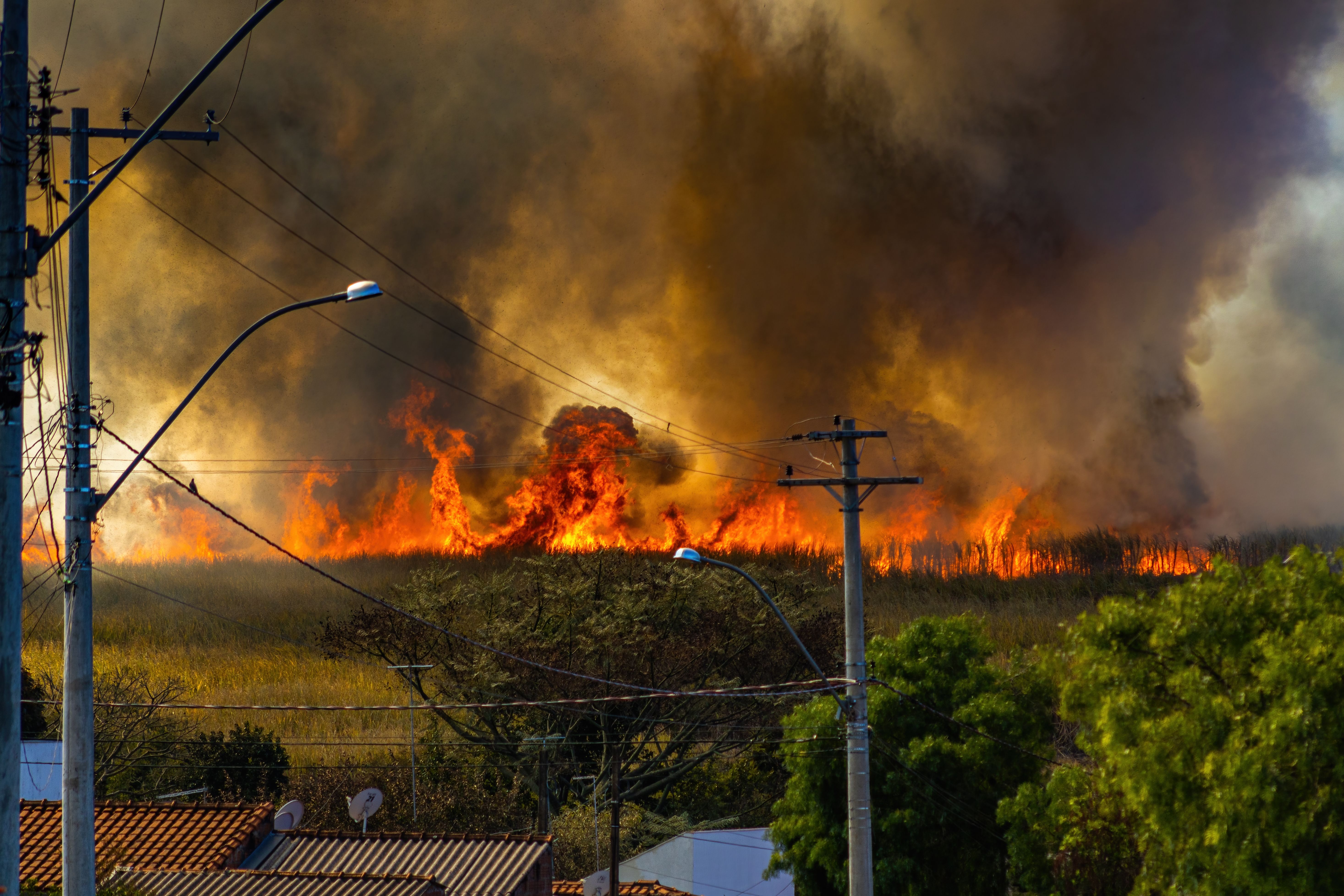
Sand Canyon is one of the most beautiful places to live, but for those living in “wildland-urban interface areas,” it does not come without risks. Climate change has made fire season year-round and increased our ever-growing number of wildfires. Firefighters and residents alike are now constantly on heightened alert for the threat of wildfires.
The Los Angeles County Fire Department, along with our partnering agencies, stand ready to quickly respond to contain wildfires, utilizing our firefighting resources from the air and ground to help protect you and your property from wildfire.
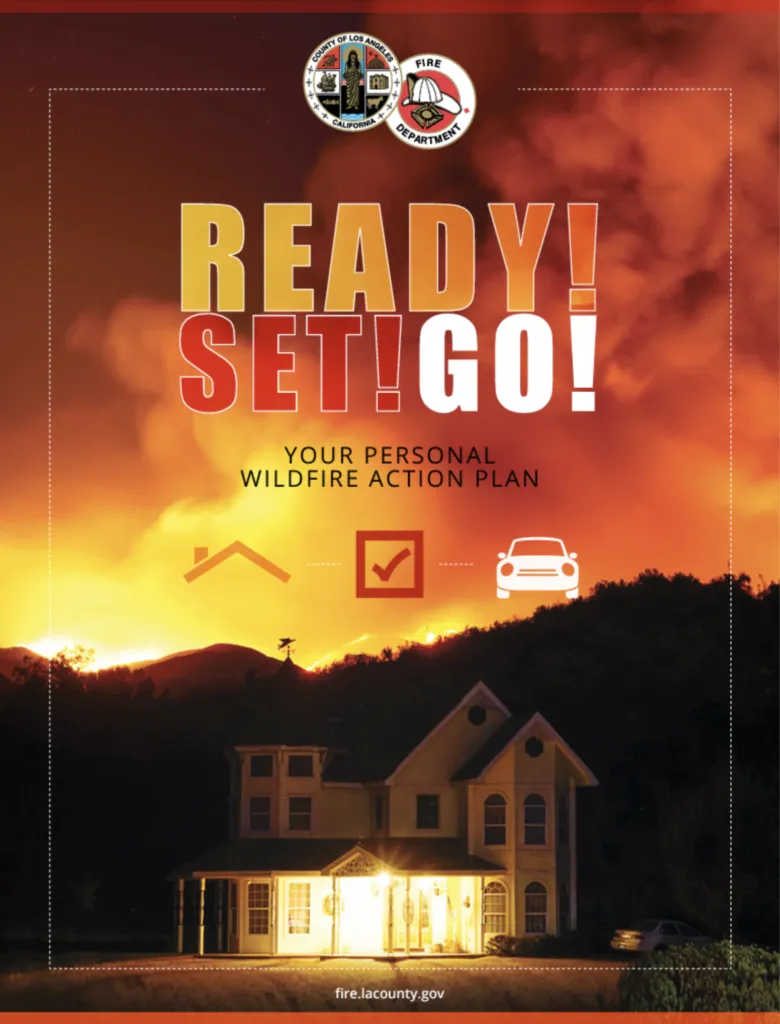
But, we can’t do this without your cooperation. Preparation and prevention go hand-in-hand. This Ready! Set! Go! brochure was designed to provide you with critical information on creating defensible space around your home, retrofitting your home with fire-resistant materials, and preparing you to safely evacuate well ahead of a wildfire. Please protect yourself, your family, and your property from a devastating wildfire by taking the time to learn about Ready! Set! Go!
To download a copy of LA County’s Ready! Set! Go! brochure, click on the brochure image or CLICK HERE.
CLICK HERE to watch a video on Ready! Set! Go!
For additional hard copies, contact LA County’s Public Information Office at (323) 881-2411
CAL FIRE Wildfire Action Plan
By preparing your home and property for wildfire, and knowing what to do if evacuation is necessary, you can dramatically increase your safety and the survivability of your home. It is your responsibility to prepare yourself, your family, and your home for when wildfire strikes.
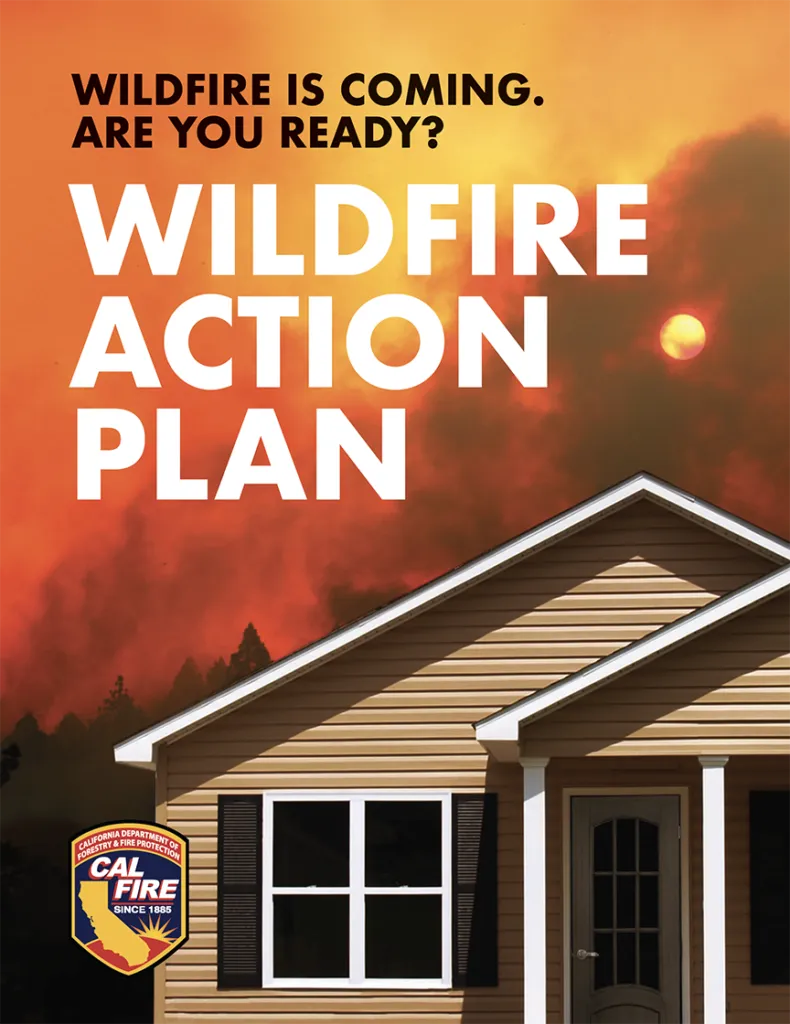
This guide illustrates the importance of creating and maintaining Defensible Space and hardening your home by retrofitting it with ignition-resistant or noncombustible materials to protect against the threat of flying embers, direct flame contact, and radiant heat exposure. It also provides information about the preparations and precautions to make in order to evacuate early and safely.
If you need more information about preparing for wildfire or any other disaster, contact your nearest fire station or visit us at ReadyforWildfire.org.
To download a copy of the Ready for Wildfire brochure, click on the brochure image or CLICK HERE.
CLICK on the video below to view a quick overview of the regulations
Zone 0 Update
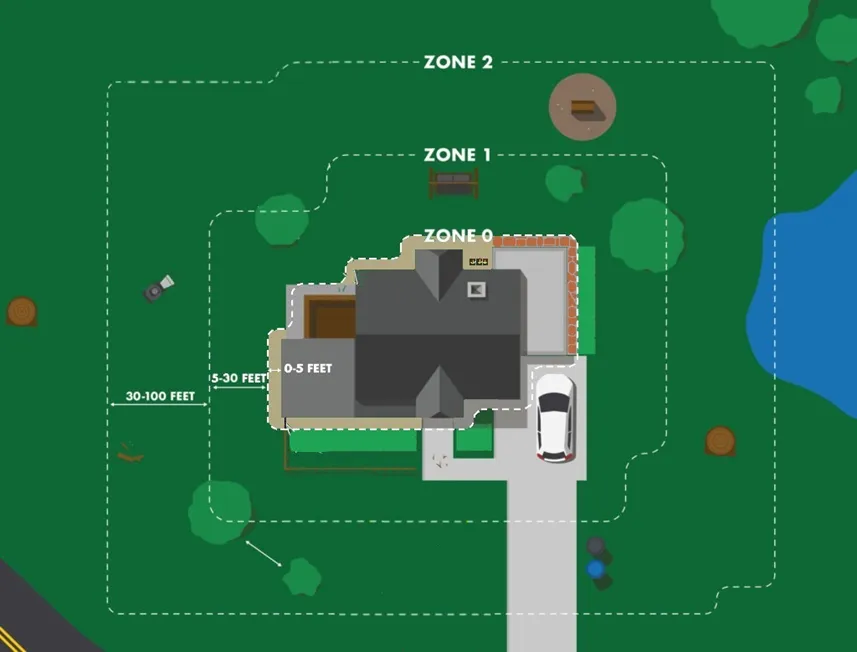
The California Board of Forestry and Fire Protection approved final Zone 0 defensible space regulations on August 19, 2026, in Sacramento — the nation’s first such rule. The regulation stems from several legislative actions: Assembly Bill 3074 (2020), Senate Bill 504 (2024), Assembly Bill 1455 (2025), and a 2025 executive order from Governor Newsom. It targets the five-foot zone immediately surrounding homes, an area identified as most vulnerable to ember ignition during wildfires.
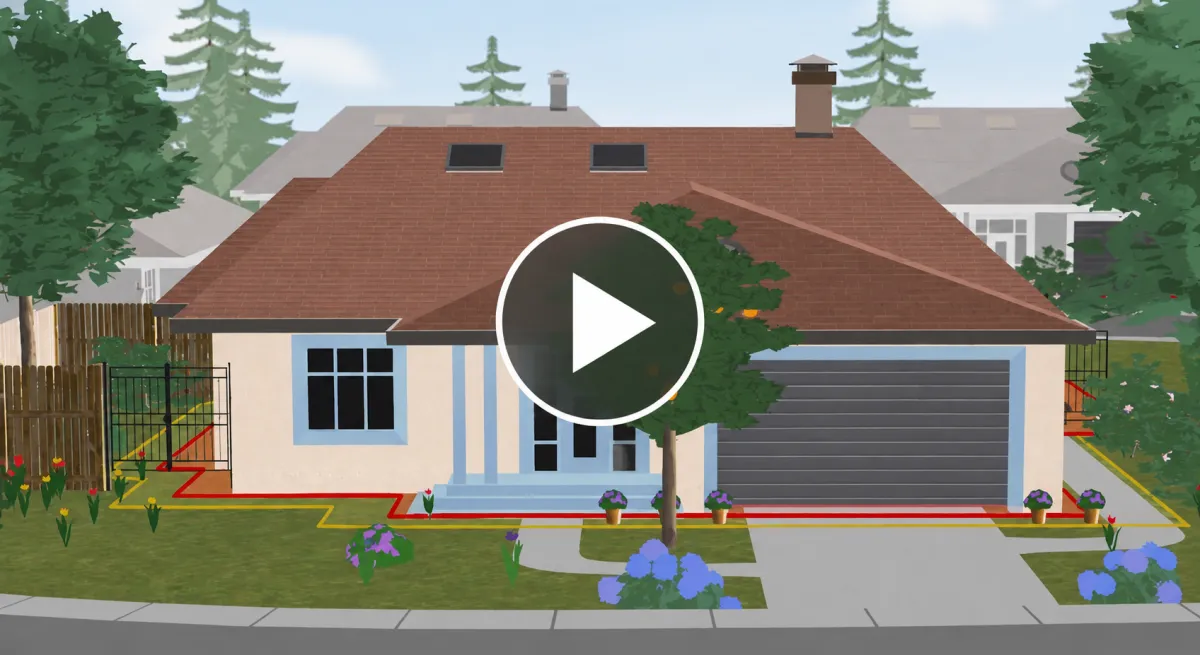
The regulation applies to homes in State Responsibility Areas and Very High Fire Hazard Severity Zones within Local Responsibility Areas. It divides the five-foot zone into two parts: a non-combustible “safety zone” directly against the home (width matching the eave size, e.g., one foot for one-foot eaves), and a low-combustibility zone covering the remaining space out to five feet.
Implementation timeline:
NEW CONSTRUCTION must comply immediately upon adoption.
EXISTING HOMES follow a phased approach:
Phase 1 (within 3 years): Remove combustible debris (firewood, dead leaves, mulch, wood chips) within 5 feet of structures; clean gutters; remove dead/dying plants; trim trees; adjust vegetation.
Phase 2 (within 5 years): Create under-eave safety zones, replace combustible gates, and modify sheds/fencing as needed.
Vegetation rules:
No combustible materials are allowed in Zone 0, including on roofs or in gutters. A vegetation-free buffer is required within one foot of structures (or to the eave’s drip line), with no plants within two feet of windows, doors, and vents, or within five feet of decks. Small non-woody plants, low ground covers, maintained lawn, and potted plants in non-combustible containers are permitted elsewhere in the zone.
Tree rules:
Trees are allowed but must be maintained — branches kept 10 feet from chimneys, trimmed 5 feet above roofs, and kept clear of eaves. Dead wood and low “ladder fuel” branches must be removed, with specific clearance requirements based on tree size.
Structures:
A five-foot non-combustible section is required where fences meet the home (Phase 2), no new combustible fences or gates may be built in Zone 0, and sheds/outbuildings within the zone need non-combustible roofs and walls.
Local flexibility:
Communities may adopt alternative approaches if they achieve equivalent safety outcomes, or adopt stricter standards, with local fire agency coordination and jurisdictional approval.
Enforcement approach:
The Board says implementation will emphasize education and outreach rather than penalties, alongside funding tools such as grants, tax incentives, and bond funding to help offset compliance costs.
Next steps:
The regulation package moves to the Office of Administrative Law for review, followed by a five-day public comment period, before formal approval and publication by the Secretary of State.
Board officials, CAL FIRE representatives, the State Fire Marshal, County Supervisors, and wildfire researchers from Stanford and other organizations have issued supportive statements, emphasizing the science-based basis of the rule and its practicality for homeowners.
Before becoming law, the adopted regulation package will be submitted to the Office of Administrative Law for review before being officially approved and published by the California Secretary of State.
Our Trusted Resources

Sand Canyon Community Association
DBA Sand Canyon HOA
PO Box 1701
Santa Clarita, CA 91386
© Sand Canyon Community Association 2025 All rights reserved | Website Design by 95Visual